
Email Marketing for Small Businesses: A practical starter guide
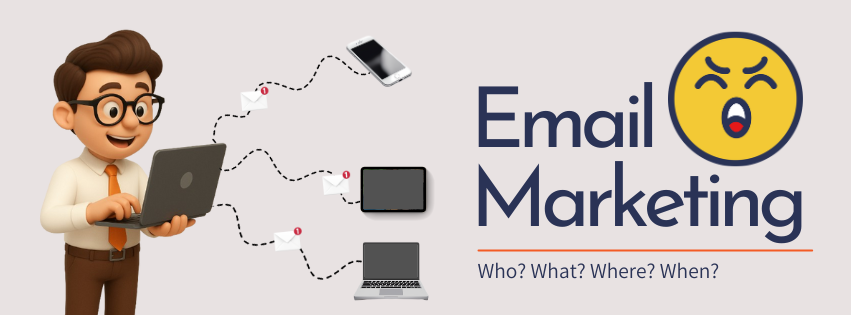
If you've ever tried launching an email marketing campaign only to watch it fall flat, you're not alone. For small business owners across Ireland, email marketing can feel overwhelming when you're already juggling customer service, operations, and everything else that comes with running a business. But here's something worth knowing: email marketing generates an average return of thirty-six euro for every euro spent. That kind of return makes it worth understanding properly.
This guide will walk you through everything you need to know about email marketing, from the basics to the practical steps you can take today. Think of it as sitting down with someone who's been through the process before and can help you avoid the common pitfalls whilst showing you what actually works.
Understanding What Email Marketing Actually Is
Email marketing is a form of digital marketing where you send promotional messages or helpful content to a list of subscribers via email. The goal isn't just to sell things, though that's certainly part of it. You're building relationships with customers, keeping your brand in their minds, sharing valuable information, and yes, ultimately driving sales. But the sales come as a natural result of the relationship you've built, not as a forced transaction.
What makes email marketing particularly valuable for Irish small businesses is that it gives you direct access to your customers. Unlike social media, where algorithms decide who sees your posts, your email list belongs entirely to you. When someone gives you their email address, they're inviting you into one of the most personal spaces they have: their inbox. That's a privilege that shouldn't be taken lightly.
Email marketing has been around since 1978, when the first marketing email resulted in thirteen million dollars in sales. Nearly fifty years later, it remains one of the most effective marketing channels available, particularly for businesses with limited budgets. This longevity tells you something important: email works because it's flexible, personal, and when done properly, genuinely helpful to the people receiving it.
When You Should Use Email Marketing
Before diving into the mechanics, it's worth understanding when email marketing makes the most sense for your business. Email excels at several specific tasks that matter deeply to small businesses.
Sending a message to a specific customer segment
email keeps your brand present in people's minds without being intrusive. When someone in Galway needs bookkeeping services or someone in Cork wants locally-roasted coffee, you want your business to be the first one they think of. Regular, helpful emails make that happen naturally.


Manage customer relationships
First, it helps you build and maintain relationships with your customers over time. Unlike a one-off advertisement, email allows you to have an ongoing conversation with people who've expressed interest in what you do. You can share your story, explain your values, and show the human side of your business in ways that other channels simply don't allow.


Generating leads
Fourth, email helps you generate and nurture leads. Not everyone who discovers your business is ready to buy immediately. Email gives you a way to stay connected with those potential customers, providing value and building trust until they're ready to make a purchase decision.


When you have news! Let them know
Third, email is brilliant for promoting your content and sharing valuable resources. If you write blog posts, create guides, or produce other content that helps your customers solve problems, email is how you make sure people actually see it. You've done the work of creating something useful, so email ensures it reaches the people who need it.


1
2
3
4
The Real Benefits of Email Marketing for Small Businesses
Understanding why email marketing works helps you use it more effectively. Let me walk you through the genuine advantages it offers Irish small businesses.
Email marketing is remarkably cost-effective compared to traditional advertising. You don't need to pay for television commercials or print advertisements in newspapers. Most email platforms offer affordable plans, and some even provide free options that work perfectly well for businesses just starting out. This makes email accessible even when your marketing budget is tight, which describes most small businesses most of the time.
The return on investment is genuinely impressive. That thirty-six euro return for every euro spent isn't an exaggeration or a best-case scenario. It's the average across industries. This happens because email allows you to reach people who've already expressed interest in your business, making them far more likely to respond than someone seeing a random advertisement.
Email allows for direct, personalized communication in ways that other channels struggle to match. When you address someone by name, reference their previous purchases, or tailor recommendations based on their interests, you create a connection that feels personal rather than corporate. Research shows that eighty-four percent of marketers now use personalized emails, with more than half delivering fully customized content. This personalization works because people respond to feeling seen and understood.
Every email you send strengthens your brand awareness. With consistent messaging, carefully chosen visuals, and a distinctive voice, your emails help establish who you are and what you stand for. Over time, your subscribers begin to recognize your style and look forward to hearing from you. This is exactly the kind of lasting impression that builds a successful business.
The measurability of email marketing is a genuine advantage. Every send, every open, every click can be tracked. This means you always know what's working and what isn't. If a subject line performs poorly, you can adjust it for next time. If a particular type of content gets high engagement, you can create more of it. This constant feedback helps you improve steadily over time.
Email also increases customer engagement and loyalty through regular, consistent contact. When you share news, offer helpful advice, or provide special offers, you're not just selling. You're building a community around your brand. Customers who feel connected to your business are more likely to remain loyal over the long term, and loyal customers are worth their weight in gold.
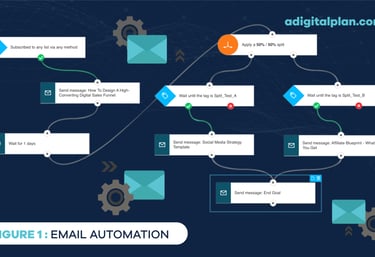
Finally, automation and scalability make email marketing practical even as your business grows. You can set up automated sequences that welcome new subscribers, nurture leads, or follow up on abandoned purchases. These sequences run without you needing to manually send each email, which means you can maintain personal connections with hundreds or thousands of customers without working around the clock.
The Different Types of Emails You Can Send
Email marketing isn't a single thing. It encompasses several different types of emails, each serving a distinct purpose. Understanding these types helps you plan a comprehensive email strategy rather than just sending random messages and hoping for the best.




Promo/sales
Promotional emails are designed to drive immediate action. They highlight special offers, discounts, upcoming sales, or limited-time opportunities. These emails work best when they create a sense of urgency without being manipulative about it. If you're genuinely running a seasonal sale or clearing out inventory to make room for new products, let your subscribers know. Just make sure these aren't the only emails you send, or people will start to tune out.
Onboarding
Welcome emails are the first messages new subscribers receive, and they're crucial for making a good impression. When someone signs up to hear from your business, their interest is at its peak. They've just raised their hand and said they want to know more about you. Welcome emails have an average open rate above eighty-three percent, which is dramatically higher than most other email types. Use this opportunity to introduce your business, explain what subscribers can expect from you, and begin building trust. You might include your origin story, your commitment to Irish manufacturing, or whatever makes your business unique and interesting.









Newsletter
Automatic emails
Win back emails
Abandoned cart reminder
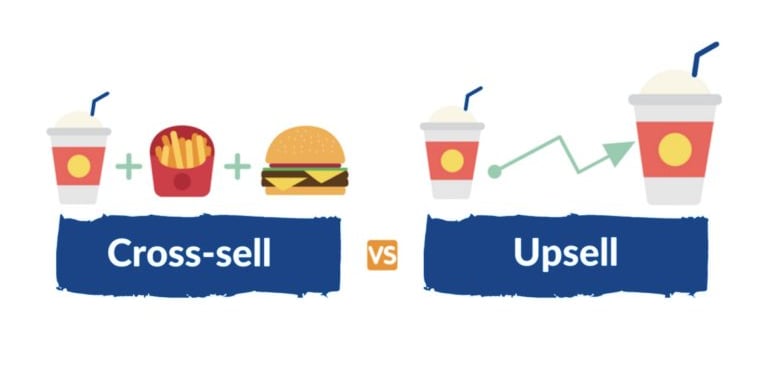
Up-sell
Operational/service updates
Operational emails deserve special mention because they occupy a unique and important space in email marketing. These are emails that customers need to receive regardless of whether they've unsubscribed from your marketing communications. Operational emails include critical messages like password reset confirmations, purchase receipts, shipping notifications, account security alerts, or service updates that directly affect the customer's ability to use your product or service.
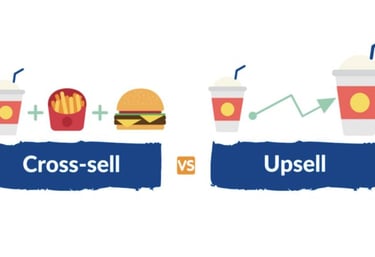
Upsell and cross-sell emails go to existing customers, suggesting additional products or upgraded versions of what they've already purchased. These work because you're communicating with people who already trust your business enough to have bought from you once. Nearly a third of sales teams cite upsells and cross-sells as a top revenue source. The key is relevance. Don't blast your entire product catalogue at everyone. Instead, make thoughtful recommendations based on what each customer has already bought.
Abandoned cart emails are specifically for online retailers. When someone adds items to their shopping cart but doesn't complete the purchase, an abandoned cart email reminds them of what they left behind. Nearly seventy percent of online shopping carts are abandoned before purchase, which represents a massive amount of potential revenue. Sending three abandoned cart emails can increase completed orders by sixty-nine percent compared to sending just one. The first email, sent about an hour after abandonment, has a conversion rate around six percent. Include product images, create gentle urgency, and consider offering a small discount if your margins allow for it.
Re-engagement emails target subscribers who haven't interacted with your emails in a while. Rather than immediately removing inactive subscribers from your list, send them a re-engagement campaign first. Acknowledge the gap in communication, perhaps offer an incentive to come back, and make it easy for them to either re-engage or unsubscribe if they're no longer interested. This keeps your list healthy and focused on people who actually want to hear from you.
Transactional emails are triggered by specific actions your customers take. Order confirmations, shipping notifications, password resets, and purchase receipts all fall into this category. While their primary purpose is informational, they also offer opportunities to reinforce your brand's professionalism and suggest related products that might interest the customer. These emails typically have very high open rates because people are actively looking for them.
Newsletters keep your subscribers informed and engaged over the long term. They typically contain a mix of content: industry news, helpful tips, company updates, or stories that your audience will find interesting. The key with newsletters is consistency. Whether you send them weekly, fortnightly, or monthly, stick to a predictable schedule so subscribers know when to expect them. Newsletters work particularly well for establishing your expertise and keeping your business top of mind.